

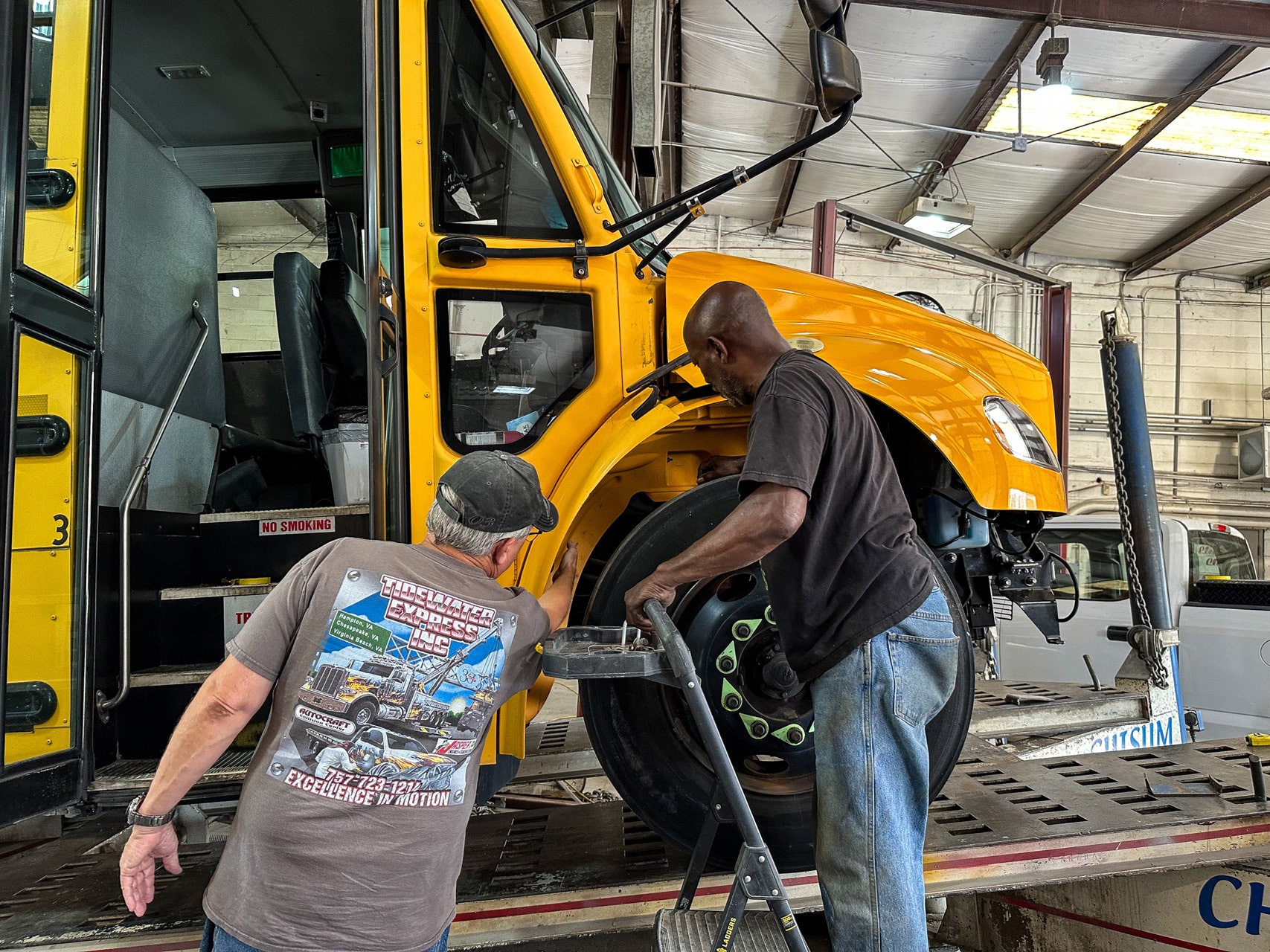
Diesel engines are built for durability, reliability, and long-term performance. They power commercial trucks, fleet vehicles, construction equipment, RVs, and many other vehicles that businesses and drivers depend on every day. However, even the most dependable diesel engine will eventually develop problems that require professional attention.
Recognizing early warning signs can help drivers address issues before they lead to costly breakdowns, roadside emergencies, or major engine repairs. Knowing what to watch for may help reduce downtime and keep vehicles operating safely and efficiently.
Recognizing early warning signs can help drivers address issues before they lead to costly breakdowns, roadside emergencies, or major engine repairs. Knowing what to watch for may help reduce downtime and keep vehicles operating safely and efficiently.
TL;DR: What Are Common Signs a Diesel Engine Needs Repair?
- Excessive exhaust smoke can indicate engine or fuel system problems.
- Loss of power may signal performance issues.
- Hard starting can point to fuel, battery, or injector concerns.
- Unusual noises often indicate developing mechanical problems.
- Fluid leaks should never be ignored.
- Warning lights may indicate the need for immediate inspection.
Why Is My Diesel Engine Losing Power?
One of the most common signs of diesel engine trouble is a noticeable loss of power. Drivers may experience slower acceleration, reduced pulling power, difficulty climbing grades, or sluggish overall performance.
Several issues can contribute to power loss, including fuel system problems, clogged filters, turbocharger concerns, injector issues, or airflow restrictions. In commercial vehicles, even minor performance issues can quickly affect productivity, fuel efficiency, and overall vehicle operation.
Prompt diagnosis is important because continued operation with reduced power may place additional strain on other engine components.
Several issues can contribute to power loss, including fuel system problems, clogged filters, turbocharger concerns, injector issues, or airflow restrictions. In commercial vehicles, even minor performance issues can quickly affect productivity, fuel efficiency, and overall vehicle operation.
Prompt diagnosis is important because continued operation with reduced power may place additional strain on other engine components.
What Does Excessive Exhaust Smoke Mean?
Diesel engines naturally produce some exhaust, but excessive smoke often indicates a problem that requires attention.
Different smoke colors may point to different issues. Black smoke can indicate fuel system problems or improper fuel combustion. Blue smoke may suggest oil consumption inside the engine, while white smoke can sometimes indicate coolant intrusion, injector problems, or incomplete combustion.
Changes in exhaust appearance should not be ignored, especially if smoke becomes more noticeable or is accompanied by performance issues.
Different smoke colors may point to different issues. Black smoke can indicate fuel system problems or improper fuel combustion. Blue smoke may suggest oil consumption inside the engine, while white smoke can sometimes indicate coolant intrusion, injector problems, or incomplete combustion.
Changes in exhaust appearance should not be ignored, especially if smoke becomes more noticeable or is accompanied by performance issues.
Why Is My Diesel Engine Hard to Start?
A diesel engine that becomes difficult to start may be experiencing fuel delivery issues, battery problems, failing glow plugs, injector concerns, or electrical system malfunctions.
Hard starting often becomes more noticeable during colder weather, but repeated starting difficulties at any time of year may indicate an underlying problem.
If the engine requires multiple attempts to start or struggles to stay running after startup, a professional inspection can help identify the cause before the issue worsens.
Hard starting often becomes more noticeable during colder weather, but repeated starting difficulties at any time of year may indicate an underlying problem.
If the engine requires multiple attempts to start or struggles to stay running after startup, a professional inspection can help identify the cause before the issue worsens.
Should I Be Concerned About Unusual Engine Noises?
Yes. Unusual sounds are often one of the earliest warning signs of developing engine problems.
Knocking, ticking, rattling, grinding, or excessive vibration may indicate wear, loose components, fuel system issues, or internal engine concerns. While some noises may be relatively minor, others can signal serious mechanical problems that require immediate attention.
Addressing unusual sounds early often helps prevent larger and more expensive repairs later.
Knocking, ticking, rattling, grinding, or excessive vibration may indicate wear, loose components, fuel system issues, or internal engine concerns. While some noises may be relatively minor, others can signal serious mechanical problems that require immediate attention.
Addressing unusual sounds early often helps prevent larger and more expensive repairs later.
What Happens If Warning Lights Appear?
Modern diesel vehicles use sophisticated monitoring systems designed to detect potential issues before they become major failures.
Check engine lights, fault codes, warning indicators, and diagnostic alerts should never be ignored. These systems monitor a variety of components including emissions systems, sensors, fuel systems, cooling systems, and engine performance.
Even if the vehicle appears to be operating normally, warning lights may indicate developing issues that require professional diagnosis.
Check engine lights, fault codes, warning indicators, and diagnostic alerts should never be ignored. These systems monitor a variety of components including emissions systems, sensors, fuel systems, cooling systems, and engine performance.
Even if the vehicle appears to be operating normally, warning lights may indicate developing issues that require professional diagnosis.
Why Are Fluid Leaks a Concern?
Diesel engines rely on several critical fluids to operate properly, including engine oil, coolant, transmission fluid, and fuel.
Leaks may indicate worn seals, damaged hoses, failing gaskets, cracked components, or other mechanical concerns. Over time, fluid loss can lead to overheating, lubrication issues, component failure, and costly repairs.
Regular inspections can help identify leaks before they result in more significant engine damage.
Leaks may indicate worn seals, damaged hoses, failing gaskets, cracked components, or other mechanical concerns. Over time, fluid loss can lead to overheating, lubrication issues, component failure, and costly repairs.
Regular inspections can help identify leaks before they result in more significant engine damage.
Can Poor Fuel Economy Indicate Engine Problems?
Yes. A sudden decrease in fuel efficiency may be a sign that the engine is no longer operating at peak performance.
Fuel system issues, injector problems, turbocharger concerns, sensor malfunctions, and airflow restrictions can all contribute to increased fuel consumption. For fleet operators and commercial drivers, declining fuel economy may have a significant impact on operating costs over time.
Monitoring fuel usage can often provide valuable insight into overall engine health.
Fuel system issues, injector problems, turbocharger concerns, sensor malfunctions, and airflow restrictions can all contribute to increased fuel consumption. For fleet operators and commercial drivers, declining fuel economy may have a significant impact on operating costs over time.
Monitoring fuel usage can often provide valuable insight into overall engine health.
Why Is Preventative Maintenance Important for Diesel Engines?
Many major diesel engine failures begin as smaller problems that gradually worsen over time. Routine inspections and preventative maintenance help identify these concerns before they result in breakdowns or expensive repairs. Regular maintenance can help improve:
- Engine reliability
- Fuel efficiency
- Vehicle performance
- Component lifespan
- Overall operating costs
- For commercial vehicles, preventative maintenance is often one of the most effective ways to reduce downtime and keep equipment on the road.
When Should You Schedule Diesel Engine Service?
If you notice unusual noises, warning lights, excessive smoke, fluid leaks, hard starting, or declining performance, it is often best to schedule service as soon as possible.
Early diagnosis may help prevent additional damage and reduce repair costs. Waiting too long to address engine concerns can sometimes turn a relatively minor repair into a much larger problem.
At Tidewater Express Inc., we provide professional diesel truck repair, preventative maintenance, roadside assistance, heavy-duty towing, recovery services, DOT inspections, and fleet support throughout Hampton Roads. Whether your vehicle is experiencing performance issues or requires routine maintenance, our experienced technicians can help keep your equipment operating reliably.
Early diagnosis may help prevent additional damage and reduce repair costs. Waiting too long to address engine concerns can sometimes turn a relatively minor repair into a much larger problem.
At Tidewater Express Inc., we provide professional diesel truck repair, preventative maintenance, roadside assistance, heavy-duty towing, recovery services, DOT inspections, and fleet support throughout Hampton Roads. Whether your vehicle is experiencing performance issues or requires routine maintenance, our experienced technicians can help keep your equipment operating reliably.
FAQs
What are the most common signs of diesel engine problems?
Common warning signs include loss of power, excessive exhaust smoke, hard starting, fluid leaks, unusual noises, warning lights, rough operation, and declining fuel economy. These symptoms often indicate developing issues that should be professionally inspected.
Why is my diesel engine producing black smoke?
Black smoke often indicates incomplete fuel combustion, which may be caused by injector problems, airflow restrictions, turbocharger issues, or fuel system concerns. A professional diagnosis can help identify the exact cause.
Can a diesel engine lose power before it breaks down?
Yes. Reduced performance is often one of the earliest warning signs of developing engine problems. Addressing power loss early may help prevent more serious mechanical failures and reduce repair costs.
Should I keep driving if the check engine light comes on?
While some warning lights may indicate minor concerns, others can signal more serious issues. It is generally best to have the vehicle inspected as soon as possible to prevent additional damage and ensure safe operation.
Why is my diesel truck hard to start?
Hard starting may be caused by battery issues, glow plug failures, injector problems, fuel delivery concerns, or electrical system malfunctions. Professional diagnostics can help identify the underlying cause.
How can preventative maintenance help diesel engines last longer?
Routine maintenance helps identify small issues before they become major repairs. Regular inspections, fluid service, filter replacements, and preventative repairs can improve reliability, reduce downtime, and extend overall engine lifespan.
